
Layar iPhone Duo yang Retak Ternyata Hasil Desain AI
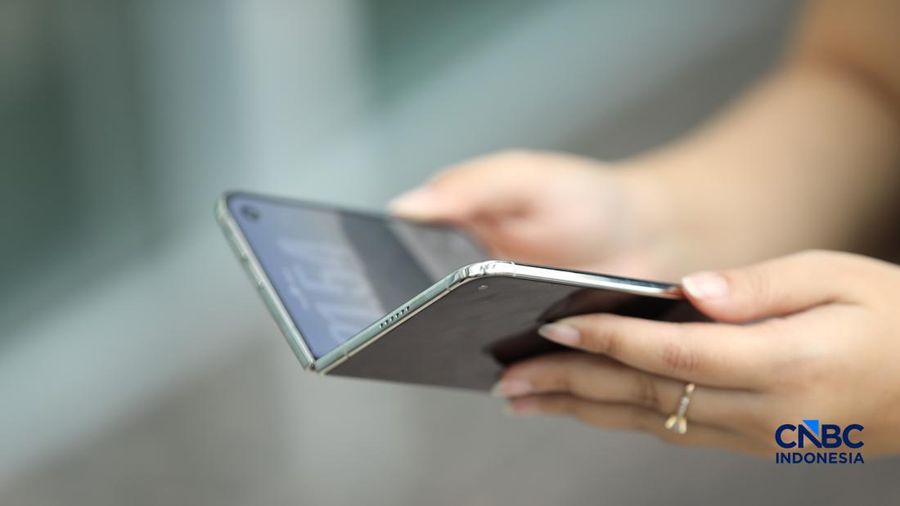
Jakarta, CNBC Indonesia - Pembeli HP lipat Apple, iPhone Duo banyak yang mengeluhkan layar retak hanya dalam hitungan jam setelah unboxing. Ternyata, mekanisme engsel penyebab layar iPhone Duo retak didesain oleh AI.
Johny Srouji, Chief Hardware Officer Apple, menjelaskan sebelumnya bahwa tim desainer menggunakan AI agar setiap bagian komponen pas satu sama lain dengan sempurna.
"Kami menggunakan algoritma AI untuk mencocokkan setiap engsel dengan rumah bagian yang paling pas, guna memastikan kesejajaran sempurna," ujarnya seperti dikutip dari Futurism, Kamis (29/10/2026).
Proses pembuatannya juga sangat presisi. Laser memindai bentuk setiap unit, lalu pencetakan 3D melapisi hingga 25 lapisan material khusus untuk menghilangkan gelombang atau ketidakrataan serupa bekas lipatan, yang biasanya muncul di HP lipat.
Meski demikian, sejumlah pelanggan melaporkan layar bagian dalam retak tepat di sepanjang garis engsel. Analisis menunjukkan penyangga tengah yang seharusnya memberi ruang saat melipat tidak menarik cukup jauh, sehingga menekan layar fleksibel dan menimbulkan tekanan yang memecahkannya.
Shahram Mokhtari, teknisi utama di iFixit, menjelaskan bahwa bagian layar yang sangat sensitif itu justru menabrak struktur engsel.
"Ada bagian yang tidak mundur sebagaimana mestinya, dan layar ikut tertekan," ujarnya.
Algoritma yang dipakai di Apple bukanlah model AI yang dikenal luas seperti ChatGPT atau Claude. Apple menggunakan metode pembelajaran mesin yang sudah lama dipakai di dunia industri untuk menyempurnakan proses produksi.
Namun Apple memilih menyebutnya "AI", istilah yang kini sangat populer, sehingga menimbulkan kesan seolah ada AI di balik iPhone Duo.
Apple telah mengakui adanya masalah ini dan menjanjikan penggantian unit yang rusak secara cuma-cuma.
The success of Apple's new folding iPhone Duo hinged on its, well, hinge.
But sadly for the multi trillion dollar company, some of the larger, inner screens on its $2,000-plus devices are already cracking, and early postmortems point to their faulty hinge design.
In light of that fiasco, now feels like a good time to bring up how the hinge was designed: with the help of AI.
Here's what Johny Srouji, the company's chief hardware officer, said during an event last month.
Per TechCrunch's coverage: "During manufacturing, we use AI algorithms to precisely match each individual hinge with its best-fit housing to ensure perfect alignment," Srouji explained, "and a confocal laser progressively scans the topology of every single unit and 3D prints up to 25 micro layers of a custom photopolymer to eliminate residual waviness."
To be clear, "AI algorithms" could mean a lot of things. A machine learning design tool is not the same thing as Claude or ChatGPT, and these algorithms have had a place in industrial applications for years. Apple itself has long boasted about using machine learning to help design and improve its software and devices. For instance, machine learning, or "AI" if you will, powers its iPad's palm rejection technology that lets you rest your hand on the screen while using a stylus.
Still, Srouji made the conscious decision to conflate machine learning algorithms - if that's what's going on here - with what people take "AI" to mean today: a catchall term for chatbots, autonomous agents, and other large language model powered systems that appear intelligent. Maybe he thought it'd sound more impressive to investors and the general public.
Whether the hinge was vibe-designed or not, it's clearly causing some notable issues, with a small but sizable minority of customers complaining that their screens are cracking along it just hours after unboxing.
(dem/dem) [Gambas:Video CNBC]